Where Does the Bible Say Jesus Is God? Memory Science
These verses form a core part of the Christian faith and are often studied to understand who Jesus Christ is.
Posted by
 Eden
EdenRelated reading
Are Dinosaurs Mentioned in the Bible? A Retention Guide
The Bible does not explain how these creatures came to an end.
How Did Samuel Die in the Bible? Memory Science Guide
Samuel was buried at his own house in Ramah, the town connected to most of his life and work, according to the account of his death and burial in 1 Samuel 25.
How Did Saul Die in the Bible? Scripture Memory Method
The death of King Saul marks the end of Israel's first monarchy in the Old Testament.
TL;DR
- The Bible states Jesus is God in several direct verses, including John 1:1, John 8:58, and John 20:28.
- Jesus used the phrase "I am" to link himself to God's name in Exodus 3:14.
- The apostle Paul and other New Testament writers described Jesus as fully God in passages like Colossians 2:9.
- Old Testament prophecies, such as Isaiah 9:6, point to a divine figure that Christians believe Jesus fulfilled.
- These verses form a core part of the Christian faith and are often studied to understand who Jesus Christ is.
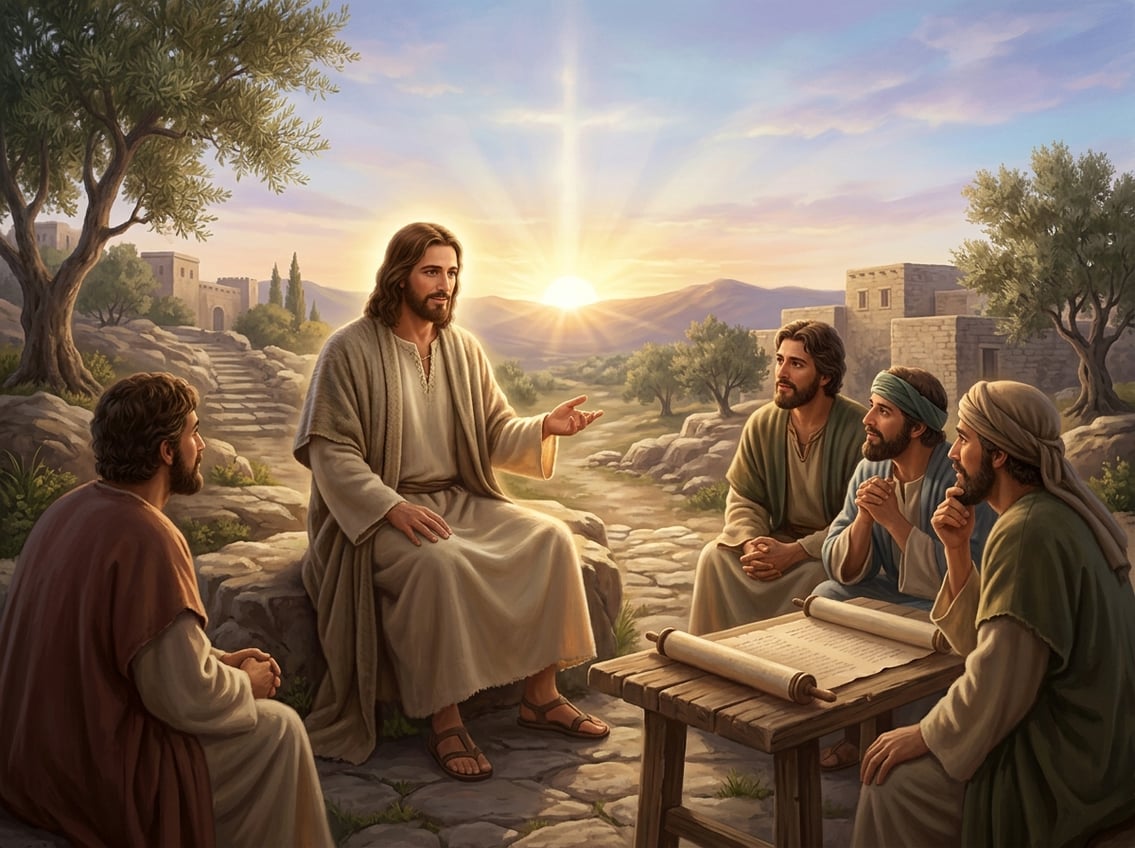
The Clearest Direct Declarations of Christ’s Deity
Several New Testament passages state directly that Jesus is God, without requiring interpretation or inference. These verses use exact language, direct address, and specific titles that leave little room for alternate readings.
John 1:1 and the Word Was God
John 1:1 opens the Gospel of John with a direct statement about Jesus' identity before His human birth.
| Text | Wording | Meaning |
|---|---|---|
| John 1:1 | "In the beginning was the Word, and the Word was with God, and the Word was God." | Jesus (the Word) existed eternally and shares God's nature. |
Key points about this verse:
- The phrase "the Word was God" uses precise Greek grammar to show Jesus is both distinct from the Father and fully divine.
- John 1 continues this theme, stating in verse 14 that "the Word became flesh," linking the eternal divine Word to the human Jesus.
- This passage is one of the most cited direct biblical declarations of Jesus as God because it names Jesus as God before describing His life on earth.
Thomas’s Confession in John 20:28
John 20:28 records a direct statement made to Jesus after His resurrection.
- Speaker: Thomas, one of the twelve disciples
- Context: Thomas doubted the resurrection until he saw Jesus' wounds firsthand
- Statement: "My Lord and my God!"
- Response: Jesus did not correct Thomas or reject the title
This exchange matters because Thomas addresses Jesus directly as God, not as a symbol or a figure of speech. Jesus accepts the statement rather than denying it, which supports the claim that
Jesus’ Words and Claims About His Identity
Jesus made several direct statements that His first-century Jewish audience understood as claims to divine identity. These statements center on His use of the divine name, His unity with the Father, and His authority over judgment and glory.
Before Abraham Was, I Am
In John 8:58, Jesus said, "before Abraham was born, I am." This phrasing was not a grammar mistake. It was a direct reference to Exodus 3:14, where God told Moses His name was "I AM."
Key facts:
| Element | Detail |
|---|---|
| Verse | John 8:58 |
| Phrase used | "Before Abraham was, I am" |
| Old Testament link | Exodus 3:14, Yahweh's self-declaration to Moses |
| Audience reaction | They picked up stones to kill Him for blasphemy |
By claiming eternal existence before Abraham, Jesus placed Himself outside of time. His audience understood this as Jesus using the divine name Yahweh for Himself, which is why they treated it as a capital offense.
I and the Father Are One
In John 10:30, Jesus stated, "I and the Father are one." This short sentence claimed shared essence with God the Father, not just a close relationship.
What happened next:
- John 10:33 records the Jewish leaders picking up stones again.
- They told Jesus the charge was blasphemy, "because you, a mere man, claim to be God."
- Jesus did not correct their understanding of His words.
This pattern repeats in John 5:18, where Jesus called God His own Father, and the text says this made Him "equal with God." Both passages show that Jesus' listeners understood His claims as direct assertions of deity, not vague spiritual language.
Whoever Has Seen Me Has Seen the Father
John 14:9 records Jesus telling His disciple Philip, "Whoever has seen me has seen the Father." This statement links Jesus' physical presence directly to the Father's nature.
Comparison of related statements:
| Verse | Statement | Implication |
|---|---|---|
| John 10:30 | "I and the Father are one" | Shared essence |
| John 14:9 | "Whoever has seen me has seen the Father" | Shared visible representation |
| John 5:18 | Called God His Father | Equality with God |
Jesus did not describe Himself as merely a messenger for God. He described Himself as the visible expression of the Father. This is one of several passages scholars point to when comparing John 10:30 alongside John 14:28 to understand how Jesus described His relationship to the Father.
The Son of Man and Shared Divine Glory
Jesus frequently used the title "Son of Man" when speaking about His authority and future role. This title connects to Daniel 7:13-14, where a figure receives eternal authority and glory directly from God.
Claims tied to the Son of Man title:
- Authority to forgive sins (Mark 2:1-11)
- Authority over the Sabbath (Mark 2:28)
- Future role in final judgment
- Sharing in the glory of God the Father
These claims placed Jesus in a position that, under Jewish law, belonged to God alone. The consistent pattern across the Gospels shows Jesus using titles and actions reserved for God
The Word Made Flesh and the Incarnation
John's Gospel makes a direct claim: the same Word who was with God in the beginning became human. This claim, known as the incarnation, is one of the clearest points in the Bible where Jesus is
Divine Works, Titles, and Worship Given to Jesus
The Bible shows Jesus performing acts that only God can do, carrying titles that belong to God alone, and receiving worship that would be forbidden if He were not divine. These details, found throughout the Gospels and Revelation, build a strong case for His deity.
Creator and Sustainer of All Things
The Bible states that Jesus made all things and holds them together. Colossians 1 says, "For by him all things were created: things in heaven and on earth, visible and invisible... all things have been created through him and for him." This passage also says Jesus existed before all things and that everything continues to exist through His power.
John's Gospel makes a similar claim, stating that nothing was made without Him. This matches Old Testament teaching that only God can create, as detailed in The Gospel Coalition's essay on the deity of Christ. Creation and sustaining the universe are jobs reserved for God, not a created being.
Worship Accepted by Jesus
Jesus received worship on several occasions and did not correct or refuse it. This stands out because Jewish law strictly forbade worshipping anyone other than God.
Key examples include:
- Matthew 14:33 – After Jesus walked on water and calmed the storm, the disciples in the boat worshipped Him and said, "Truly you are the Son of God."
- Matthew 28:9 – After His resurrection, the women who met Him "took hold of his feet and worshiped him."
- John 20:28 – Thomas addressed Jesus directly as "My Lord and my God."
If Jesus were only a man or an angel, accepting this worship would go against the clear command to worship God alone. His acceptance of it supports His identity as God, a point also discussed by Gospel Way's study on the worship and glory of Jesus.
Alpha and Omega, King of Kings, and Lord of Lords
The book of Revelation applies titles to Jesus that belong only to God. Revelation 1:8 states, "I am the Alpha and the Omega," a phrase referring to God as the beginning and end of all things. Revelation 22:13 repeats this title, and the context there directly connects it to Jesus.
Revelation also calls Jesus "King of Kings and Lord of Lords" (Revelation 19:16). This title places Him above every ruler and authority, matching the description of God's supreme rule found throughout the Old and New Testaments. These titles are not symbolic; they describe actual authority and eternal existence, according to Answer the Bible's overview of Jesus' divine identity.
The Resurrection and Christ’s Authority Over Life
Jesus' resurrection after His crucifixion is presented as proof of His authority over life and death. Romans 1 says He was "appointed Son of God in power... by his resurrection from the dead." This event marked a shift from His time in human weakness to His current position of full authority.
Jesus also claimed this authority directly, stating in John 5 that He has the power to raise the dead and grant eternal life to those who believe in Him. He connected this power to righteousness, saying He would judge the world fairly. This authority over life, death, and judgment reflects power that the Bible assigns only to God, as outlined in Logos' article on what the Bible and the church say about Jesus.
Old Testament Foundations for a Divine Messiah
The Old Testament contains several passages that early Christians and later theologians pointed to as evidence that the promised Messiah would be divine, not just a human king. Three texts stand out: Isaiah 7:14, Isaiah 9:6, and the way New Testament writers connected these prophecies to Jesus.
Immanuel: God With Us
Key verse: Isaiah 7:14 — "Therefore the Lord himself will give you a sign. Look, the young woman is with child and shall bear a son, and shall name him Immanuel."
| Term | Hebrew Meaning | Significance |
|---|---|---|
| Immanuel | "God with us" | Names a child whose presence signals divine involvement |
| Almah | "Young woman" | Original Hebrew term used by Isaiah |
| Parthenos | "Virgin" | Greek Septuagint translation used by Matthew |
Matthew 1:23 quotes this verse directly and applies it to Jesus's birth.
The name Immanuel does not just describe a title. It states a claim: that God is present with humanity through this child.
This connection between the child's name and God's presence forms one of the earliest textual links between the Old Testament and later Christian claims about Jesus's divine identity.
Mighty God, Everlasting Father, and Prince of Peace
Key verse: Isaiah 9:6 — "For a child has been born for us, a son given to us; authority rests upon his shoulders; and he is named Wonderful Counselor, Mighty God, Everlasting Father, Prince of Peace."
| Title | Plain Meaning |
|---|---|
| Wonderful Counselor | Gives wise, divine guidance |
| Mighty God | Directly names the child as God |
| Everlasting Father | Suggests eternal, not just human, existence |
| Prince of Peace | Rules with peace, not conflict |
Two of these four titles—Mighty God and Everlasting Father—use language that Old Testament writers typically reserved for God alone.
This has led many readers to conclude that Isaiah 9:6 describes a ruler who shares in God's own nature, not simply a gifted human king.
Reading Old Testament Prophecies Alongside the Gospels
The Gospel writers, especially Matthew, treated these Old Testament prophecies as direct descriptions of Jesus.
| Old Testament Verse | Gospel Citation | Claim Made |
|---|---|---|
| Isaiah 7:14 | Matthew 1:23 | Jesus is Immanuel, God with us |
| Isaiah 9:6 | Referenced in later Christian tradition | Jesus holds titles reserved for God |
Matthew's Gospel does not simply reference these verses in passing. It presents them as fulfilled predictions, using them to argue that Jesus's birth and identity align with what Isaiah described centuries earlier.
Some biblical scholars note that Isaiah's original audience likely understood these verses in the context of their own time, referring to events or rulers relevant to ancient Judah. Christian tradition, however, reads these same texts as long-range prophecies pointing forward to Jesus, as detailed in scholarly analysis of Old Testament messianic prophecies.
How Christ's Deity Shapes Faith and Salvation
Jesus' divinity is not just a doctrinal detail. It connects directly to how the Trinity works, why salvation is possible, and how believers memorize the key verses that prove it.
Distinguishing the Son From the Father Within the Trinity
The Trinity holds that God exists as three persons: Father, Son, and Holy Spirit. Each is fully God, yet they are distinct.
Quick reference table:
| Person | Role in Scripture | Key Verse |
|---|---|---|
| Father | Sends the Son, sovereign over all | Matthew 3:17 |
| Son (Jesus Christ) | Reveals the Father, saves humanity | John 14:6 |
| Holy Spirit | Sent by the Father and Son, indwells believers | John 14:26 |
Jesus prays to the Father, calls him "Abba," and says the Father is greater than himself in his human state (John 14:28). At the same time, he claims equality with God (John 10:30) and receives worship as God (John 20:28).
Key distinction: Jesus is not the same person as the Father. They are one in essence, not one in identity.
Why Jesus' Identity Matters for Redemption
Redemption depends on who Jesus is, not just what he did.
Three reasons his identity matters:
- Only God can forgive sin completely. A created being cannot pay an infinite debt.
- Only God can conquer death permanently. Jesus' resurrection confirms his power over death (Romans 1:4).
- Only God can be the way to God. John 14:6 states, "I am the way, and the truth, and the life. No one comes to the Father except through me."
Salvation formula in Romans 10:9:"If you confess with your mouth that Jesus is Lord and believe in your heart that God raised him from the dead, you will be saved."
This verse ties faith directly to belief in Jesus' resurrection and lordship. It is central to the gospel message.
A Scripture-Retention Method for Learning the Key Passages
Use this four-step loop to memorize verses on Christ's deity.
Step 1: Select one verse.Start with John 14:6 or Romans 10:9. Do not combine multiple verses at once.
Step 2: Hear it daily.Listen to an audio reading of the verse once per day for reinforcement.
Step 3: Remove words gradually.
- Day 1: Full verse visible.
- Day 2: Remove 2-3 words.
- Day 3: Remove half the words.
- Day 4: Recite from memory, checking only if stuck.
Step 4: Restate in plain English.After memorizing, write the verse's meaning in one sentence without looking at the text.
Comparison of retention methods:
| Method | Structure | Best For |
|---|---|---|
| Verse cards | Static, manual review | Visual learners |
| Bible apps | Digital, reminder-based | Daily consistency |
| Progressive word removal | Active recall, structured | Long-term retention |
This method works because recall strengthens memory more than passive rereading. Repetition with gradual removal forces the brain to retrieve information, not just recognize it.
Frequently Asked Questions
Readers often ask which specific verses call Jesus God, whether he made that claim himself, and how key passages like John 1:1 and Revelation support his divine identity. The answers below pull directly from Scripture and organize the evidence by verse, context, and meaning.
Which Bible verses explicitly describe Jesus as God?
Several New Testament passages state directly that Jesus is God. The list below groups the clearest examples with their plain meaning.
| Verse | Text (summary) | Meaning |
|---|---|---|
| John 1:1 | The Word was God | Jesus, as the Word, shares the same nature as God |
| John 20:28 | Thomas calls Jesus "My Lord and my God" | A direct declaration of Jesus as God |
| Titus 2:13 | "Our great God and Savior Jesus Christ" | Paul identifies Jesus as God and Savior in one title |
| Colossians 2:9 | "In him dwells all the fullness of Deity" | Jesus fully possesses the nature of God |
| Hebrews 1:8 | The Father calls the Son "God" | God the Father addresses Jesus as God |
Several passages across the New Testament reinforce this pattern, showing it is not limited to a single author or book.