What Are the Sins in the Bible? A Memory-Based Guide
Different books of the Bible—from Genesis to the New Testament epistles—expand and clarify what counts as sin for different audiences and time periods.
Posted by
 Eden
EdenRelated reading
Are Dinosaurs Mentioned in the Bible? A Retention Guide
The Bible does not explain how these creatures came to an end.
How Did Samuel Die in the Bible? Memory Science Guide
Samuel was buried at his own house in Ramah, the town connected to most of his life and work, according to the account of his death and burial in 1 Samuel 25.
How Did Saul Die in the Bible? Scripture Memory Method
The death of King Saul marks the end of Israel's first monarchy in the Old Testament.
TL;DR
- The Bible defines sin as any thought, word, or action that goes against God's law and separates people from His holiness.
- Scripture identifies sin through direct commands (like the Ten Commandments), warnings from prophets, and teachings from Jesus and the apostles.
- A list of sins in the Bible typically falls into categories: idolatry, sexual immorality, dishonesty, violence, pride, and hatred.
- Righteousness in the Bible means living in agreement with God's standards, which is the opposite of sin.
- Different books of the Bible—from Genesis to the New Testament epistles—expand and clarify what counts as sin for different audiences and time periods.
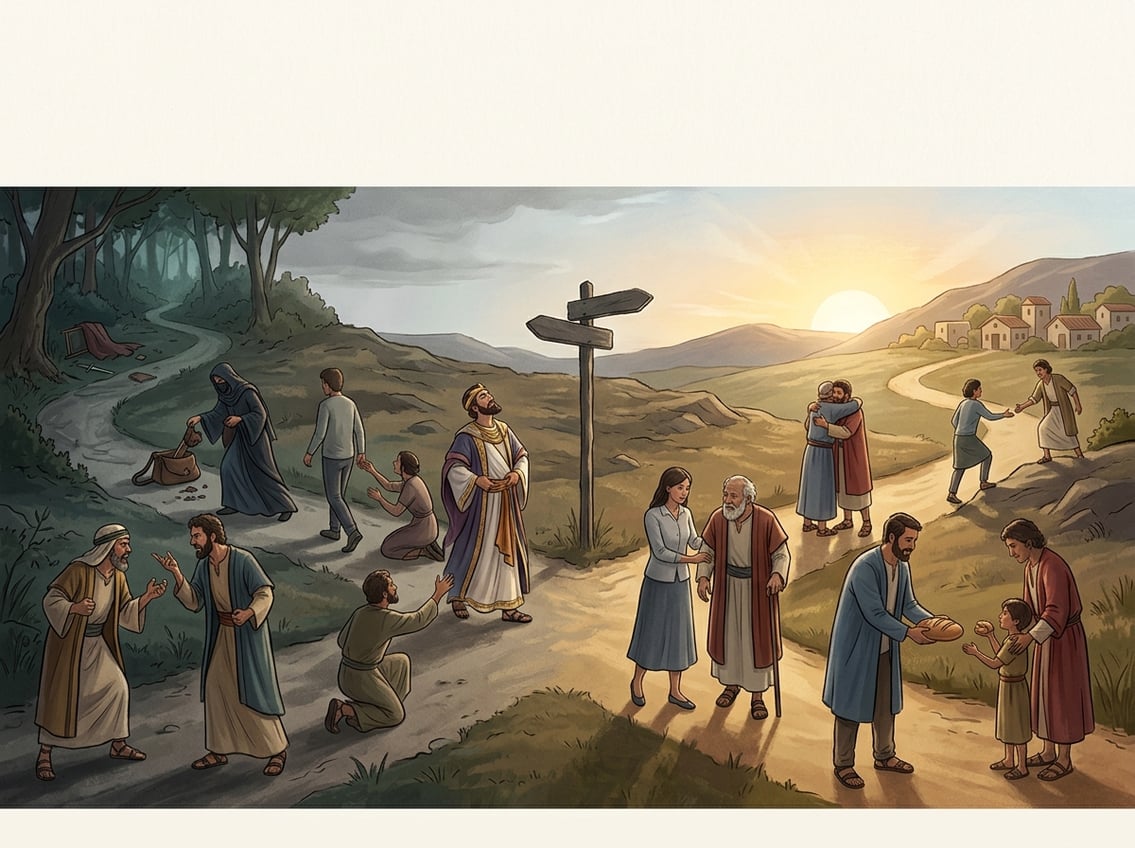
Biblical Definition: Lawlessness, Transgression, and Falling Short
The Bible uses three main ideas to define sin: breaking God's law, crossing a set boundary, and missing a moral target. Each term points to a different angle of the same core problem: disobedience toward God.
Sin as Lawlessness and Rebellion Against God
Key verse: 1 John 3:4 — "Everyone who sins breaks the law; in fact, sin is lawlessness."
| Term | Meaning | Focus |
|---|---|---|
| Lawlessness | Rejecting God's authority | Attitude of rebellion |
| Disobedience | Refusing to follow commands | Action against instruction |
| Rebellion against God | Active resistance to His will | Heart posture |
Lawlessness is not just breaking a rule. It means refusing to submit to God's authority altogether.
This idea treats sin as a rejection of God's rule, not a minor mistake. The opposite of lawlessness is obedience—choosing to follow God's commands instead of resisting them.
Sin as Missing God's Righteous Standard
Key verse: Romans 3:23 — "For all have sinned and fall short of the glory of God."
Sin as "missing the mark" means failing to meet God's standard of righteousness and holiness.
Three related terms:
- Sin – falling short of God's glory
- Transgression – crossing a clear boundary or command
- Unrighteousness – living apart from God's moral standard
This standard applies to everyone. No person meets it perfectly, which is why Romans 3:23 uses the word "all."
The gap between human behavior and God's righteousness is the core problem this term describes.
Sins of Commission, Omission, and the Heart
Sin shows up in three ways: things done, things left undone, and things hidden in thought.
| Type | Definition | Example Source |
|---|---|---|
| Commission | Doing what God forbids | Direct disobedience |
| Omission | Failing to do what God commands | Neglecting known duty (James) |
| Heart-level sin | Sinful attitude or intent, even without action | Internal rebellion |
James addresses this directly: knowing the right thing to do and not doing it is still sin.
This shows sin is not only about outward acts. It also involves evil intentions and a heart turned away from obedience, not just visible wrongdoing.
Core Commands and Moral Boundaries in the Old Testament
The Old Testament sets clear limits on behavior through direct commands and wisdom teaching. These rules cover worship, relationships with others, and personal conduct, forming the base for later biblical moral boundaries.
The Ten Commandments in Exodus 20
Exodus 20:1-17 lists the Ten Commandments. God gave these rules to Moses as a direct code of conduct.
| Commandment | Reference | Core Rule |
|---|---|---|
| No other gods | Exodus 20:3 | Worship only God |
| No idols | Exodus 20:4-5 | Do not make or bow to images |
| No misuse of God's name | Exodus 20:7 | Speak of God with respect |
| Keep the Sabbath | Exodus 20:8-11 | Rest on the seventh day |
| Honor parents | Exodus 20:12 | Respect father and mother |
| No murder | Exodus 20:13 | Do not kill |
| No adultery | Exodus 20:14 | Stay faithful in marriage |
| No stealing | Exodus 20:15 | Do not take what isn't yours |
| No false witness | Exodus 20:16 | Do not lie about others |
| No coveting | Exodus |
Jesus' Teaching on Sins of the Heart
Jesus Christ taught that sin starts in the heart before it shows up in actions. Matthew, Mark, and Luke each record His words on anger, lust, pride, and judgment, showing that inner thoughts carry the same moral weight as outward deeds.
Anger, Hatred, and the Value of Human Life
Jesus linked anger to murder, teaching that both come from the same root problem.
| Teaching | Reference | Plain Meaning |
|---|---|---|
| Anger toward a brother is judged like murder | Matthew 5:21-22 | Rage in the heart breaks God's law, even without a physical act |
| Hatred is the seed of violence | 1 John 3:15 (referenced by Jesus' teaching) | Hatred toward someone reflects a heart already capable of murder |
| Wrath defiles a person | Mark 7:21-22 | Evil thoughts, including murder, come from within, not from outside influences |
Key points:
- Anger is not just a feeling; Jesus treated it as a moral issue.
- Wrath left unchecked can lead to real harm.
- Human life has value, so contempt for another person is treated seriously.
Lust, Adultery, and Sexual Purity
Jesus expanded the definition of adultery to include the heart, not just physical actions.
Matthew 5:28 states that anyone who looks at a woman lustfully has already committed adultery in his heart. This teaching connects sexual immorality and fornication to inner desire, not only physical contact.
Comparison of related terms:
| Term | Jesus' Teaching | Result |
|---|---|---|
| Lust | Starts as a private thought | Counts as adultery in the heart |
| Adultery | Physical act | Breaks a marriage covenant |
| Sexual immorality | Broad term for sexual sin | Listed in Mark 7:21 as coming from the heart |
| Impurity | General moral corruption | Linked to unchecked desire |
Jesus taught that sexual purity begins with controlling thoughts, not just avoiding physical sin.
Hypocrisy, Pride, and Inner Integrity
Jesus criticized religious leaders who focused on outward appearance while ignoring inner corruption.
Key contrasts Jesus drew:
- Hypocrisy – Acting religious in public while hiding sin in private.
- Pride – Believing oneself morally superior to others.
- Arrogance – Dismissing personal sin while judging others harshly.
Jesus described hypocrites as clean on the outside but full of corruption inside, similar to whitewashed tombs. This teaching connects to Mark 7, where He said evil thoughts, deceit, and arrogance come from within a person, not from external rituals or appearances.
Inner integrity, according to Jesus, matters more than public image or religious performance.
Forgiveness, Mercy, and Judgment
Jesus tied a person's willingness to forgive to how they will be judged by God.
| Teaching | Reference | Plain Meaning |
|---|---|---|
| Forgive others as God forgives | Matthew 6:14-15 | Refusing to forgive blocks a person's own forgiveness |
| Do not judge harshly | Matthew 7:1-2 | The standard used to judge others will be used to judge the judge |
| Show mercy | Luke 6:36 | Mercy reflects God's own character |
Fear of judgment should not replace compassion for others. Jesus taught that mercy and forgiveness are signs of a changed heart, not just religious duty.
New Testament Sin Lists and Their Main Categories
The New Testament groups sins into clear lists, mostly found in the letters of Paul. These lists cover actions, attitudes, and speech that break trust between people and God.
Works of the Flesh and the Fruit of the Spirit
Galatians 5:19-21 gives one of the clearest sin lists in the New Testament. Paul calls these sins the "works of the flesh."
| Category | Sins Listed |
|---|---|
| Sexual sins | sexual immorality, impurity, orgies |
| Spiritual sins | idolatry, sorcery |
| Relational sins | hatred, discord, jealousy, rage, envy |
| Group conflict | divisions, dissensions |
| Excess | drunkenness |
Paul contrasts this list with the fruit of the Spirit: love, joy, peace, patience, kindness, goodness, faithfulness, gentleness, and self-control.
Quick contrast:
- Works of the flesh = actions that divide people.
- Fruit of the Spirit = traits that build trust and unity.
This list works well for memory verse practice. It pairs one short verse (Galatians 5:19-21) with a matching list of virtues, which makes both easier to recall together.
Sexual, Spiritual, and Substance-Related Sins
Several New Testament books repeat and expand on the same core sins named in Galatians.
Sins named across key passages:
| Passage | Sins Mentioned |
|---|---|
| 1 Corinthians 6:9-10 | fornication, idolatry, drunkenness |
| Romans 1:24-27 | sexual immorality, idolatry |
| Colossians 3:5 | sexual immorality, impurity, idolatry |
| Revelation 21:8 | sorcery, idolatry |
Plain-English meanings:
- Fornication — sex outside of marriage.
- Idolatry — placing anything above God, including money or status.
- Sorcery — practicing witchcraft or divination.
- Drunkenness — loss of self-control through alcohol.
These sins appear again and again because they were common in the cultures where the early church existed. Paul often names them together as a warning against the values of the surrounding culture.
Relational Sins That Damage Community
Many New Testament sins target how people treat each other, not just personal choices. Ephesians 4:31 and Colossians 3:8 list these relational sins directly.
Common relational sins:
- Hatred
- Strife
- Jealousy
- Anger
- Rage
- Bitterness
- Malice
Memory tip: Group these sins by emotional stage:
- Start: jealousy, envy
- Middle: anger, rage
- End result: bitterness, malice, hatred
This progression shows how small feelings can grow into lasting harm. Paul warns against letting anger sit unresolved, since it can turn into deeper resentment over time.
Greed, Deceit, and Sins of Speech
The New Testament also lists sins tied to money and words. These sins damage trust just as much as physical actions.
Sins of greed:
- Greed
- Covetousness
Sins of speech and honesty:
- Slander
- Deceit
- Lying
Hebrews 3:12 also names unbelief as a serious spiritual failure, since it leads people away from trust in God.
Comparison table:
| Sin Type | Examples | Effect |
|---|---|---|
| Greed-based | greed, covetousness | Breaks trust through selfishness |
| Speech-based | slander, deceit, lying | Breaks trust through dishonesty |
| Faith-based | unbelief | Breaks trust in God's promises |
These sins often overlap. A person motivated by greed may lie to get what they want, showing how one sin can lead directly to another.
Why Sin Matters: Consequences, Repentance, and Restoration
Sin creates real consequences, but the Bible also shows a clear path back to God through repentance and grace. The tables and lists below summarize what scripture tea
Frequently Asked Questions
Bible sin lists range from short commandments to longer lists of moral failures, and different traditions group them in different ways. The sections below break down these groupings using direct verse references.